



-
 Gutter
-
 0 Comments
Gutter Installation 101: How to Install, Maintain, and Choose the Right Gutters
Rainwater can cause serious damage if it is not directed away from a building. That is why gutter installation is one of the most important steps in protecting both homes and commercial properties. A properly installed system collects rainwater from the roof and moves it safely away from siding, foundations, and landscaping.
Without proper gutter installation, water may run down walls, collect near the foundation, or erode the soil around your property. Over time, this can lead to structural damage, mold growth, and costly repairs.
In this guide, we walk through everything you should know about gutter installation, including how to install a gutter system, how to maintain it, and how to choose materials that work for your property.
Why Gutter Installation Matters for Every Property
When rain hits a roof, the water needs somewhere to go. Without gutters, it falls directly to the ground around the building. This creates several problems.
Proper roof gutter installation protects your property by guiding water into controlled drainage paths.
Common issues caused by missing or failing gutters include:
- Water pooling near the foundation
- Basement leaks or moisture problems
- Soil erosion around the property
- Damage to siding and exterior paint
- Mold growth along exterior walls
Both homes and businesses benefit from strong drainage systems. In larger buildings, commercial gutter installation systems are designed to handle higher water volumes.
If your gutters are sagging, leaking, or pulling away from the fascia board, it may be time to install new gutter systems that can handle modern drainage demands.
The Main Parts of a Gutter System
Before learning how to install a gutter, it helps to understand how each part works together.
Gutters
These long channels sit along the roof edge and collect rainwater.
Downspouts
Downspouts carry water from the gutter down to the ground.
Hangers or Brackets
These secure the gutter to the fascia board and support the weight of water.
End Caps
End caps close off the ends of the gutter to prevent leaks.
Elbows
Elbows direct downspouts around corners or roof overhangs.
Gutter Guards
Guards reduce debris buildup and help prevent clogs.
Together, these components form a drainage system that keeps water away from the structure.
Choosing the Right Material for Your Gutters
A good gutter installation guide always begins with choosing the right material. Different materials offer different levels of durability and cost.
Aluminum Gutters
Aluminum is widely used in residential systems.
Advantages include:
- Lightweight material
- Rust resistance
- Affordable cost
- Multiple color options
Aluminum works well for most homes and is commonly used during roof gutter installation projects.
Vinyl Gutters
Vinyl gutters are often used for smaller projects.
Advantages include:
- Easy installation
- Lower cost
- Lightweight construction
However, vinyl may crack in extreme temperatures and may not last as long as metal systems.
Steel Gutters
Steel gutters are strong and durable.
Advantages include:
- High strength
- Good for heavy rainfall areas
The downside is weight and potential rust if coatings wear off.
Copper Gutters
Copper gutters are long lasting and visually striking.
Advantages include:
- Long lifespan
- Distinct appearance
- Strong material
They cost more but can last decades with proper care.
Popular Gutter Styles
When planning gutter installation, the shape of the gutter matters as much as the material.
K-Style Gutters
K-style gutters are common in modern homes. Their flat back makes them easy to mount to fascia boards.
They also hold more water than round styles.
Half-Round Gutters
Half-round gutters have a curved shape. They are often used on historic or traditional homes.
They provide steady water flow and are easy to clean.
Box Gutters
Box gutters are larger and often used for commercial gutter installation projects. They can handle heavy rainfall and large roof areas.
How to Install a Gutter: Step-by-Step Guide
Understanding how to install a gutter correctly is key to long-term performance. A poorly installed system may leak, sag, or overflow.
Here is a simple gutter installation guide used in many residential projects.
Step 1: Measure the Roofline
Measure the length of each roof edge where gutters will be placed.
This determines how many sections are needed.
Step 2: Plan the Slope
Gutters must slope slightly toward the downspout so water flows properly.
A common rule is:
¼ inch of slope for every 10 feet of gutter.
This ensures steady drainage.
Step 3: Mark the Placement
Use a chalk line to mark where the gutter will sit along the fascia board.
Mark the high point and the downspout location to guide the slope.
Step 4: Install the Hangers
Attach gutter hangers or brackets to the fascia board at regular intervals, usually every two to three feet.
Strong support prevents sagging.
Step 5: Attach the Gutter Sections
Connect the gutter sections together using connectors and sealant.
Secure them into the brackets along the marked line.
Step 6: Install End Caps
Attach end caps to close the gutter ends.
Apply sealant to prevent leaks.
Step 7: Add Downspouts
Cut holes where downspouts will connect.
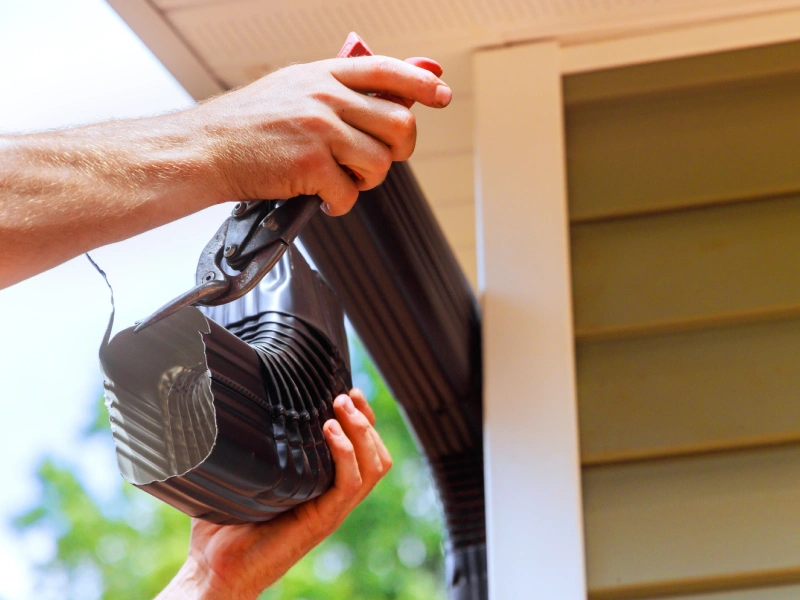
Attach elbows and vertical downspouts to direct water toward the ground.
Extend the downspout away from the foundation.
Common Gutter Installation Mistakes
Even a small error during gutter installation can cause drainage problems.
Watch for these common mistakes:
- Incorrect slope, water collects instead of flowing
- Too few brackets, gutters sag over time
- Downspouts placed too far apart
- Loose connections that cause leaks
Professional gutter installation services often prevent these issues by ensuring accurate measurements and secure mounting.
How to Maintain Your Gutters
After you install new gutter systems, regular maintenance helps them last longer.
Clean Gutters Regularly
Leaves and debris can block water flow.
Clean gutters at least twice a year, especially during fall.
Inspect for Damage
Look for:
- Loose brackets
- Leaks at seams
- Rust or corrosion
- Sagging sections
Early repairs prevent bigger problems later.
Check Downspouts
Downspouts should carry water several feet away from the building.
If water collects near the foundation, extensions may be needed.
Consider Gutter Guards
Gutter guards help reduce debris buildup. They also reduce cleaning frequency.
Many homeowners add guards during gutter installation services to simplify long-term maintenance.
Signs You Need New Gutters
Sometimes repairs are not enough.
You may need to install new gutter systems if you notice:
- Cracks or splits
- Peeling exterior paint near the roofline
- Water pooling around the foundation
- Gutters pulling away from the fascia
- Frequent clogs and overflow
Replacing an aging system improves water drainage and protects the building structure.
Related Home Improvements That Protect Your Property
Gutters work together with other exterior features. When planning improvements, it is smart to consider related upgrades.
For example, strong gutters work well with roofing contractors when roof repairs or replacements are needed.
Exterior drainage also protects siding and trim that may be updated during exterior painting projects.
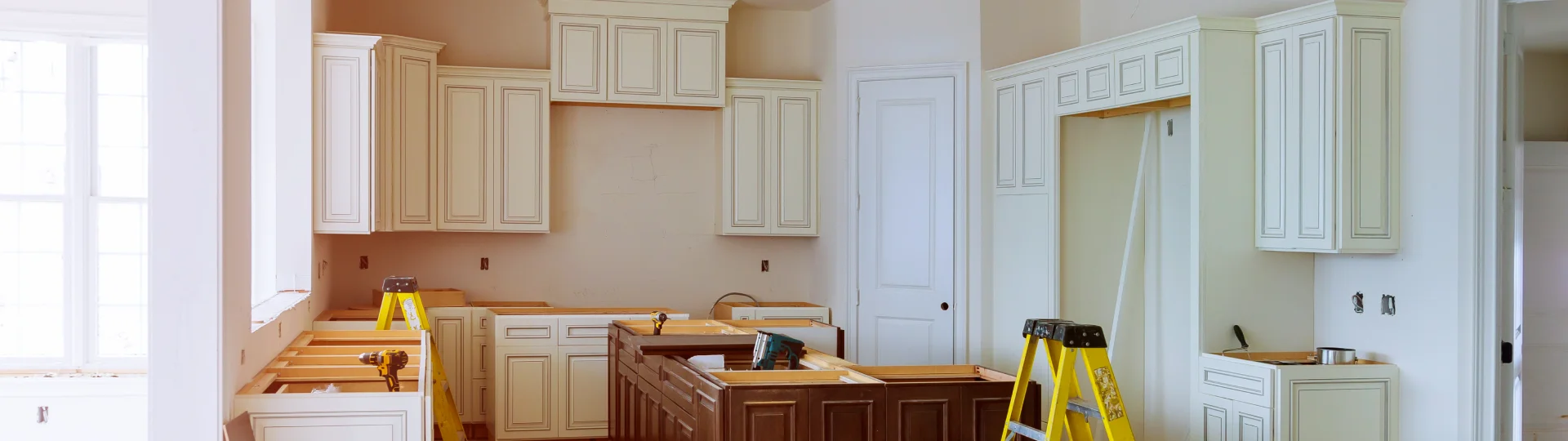
Inside the home, water control protects areas that may be remodeled, such as kitchen remodeling services or bathroom remodeling contractors.
Basements are especially vulnerable to water problems, which is why proper drainage supports basement remodeling contractors work.
Residential vs Commercial Gutter Installation
Residential systems typically use smaller gutters and fewer downspouts.
Commercial buildings require larger systems that manage higher water flow.
Key differences include:
- Larger gutter sizes
- More downspouts
- Reinforced brackets
- Integrated drainage planning
Both systems follow the same basic principles of roof gutter installation, but commercial projects require stronger support structures.
Final Thoughts on Gutter Installation
A properly designed drainage system protects your building from costly water damage. Strong gutter installation directs rainwater away from the structure and keeps foundations, siding, and landscaping safe.
When you follow a solid gutter installation guide, choose durable materials, and maintain the system regularly, gutters can last for many years. Whether you plan to install new gutter systems on a home or need commercial gutter installation, careful planning makes a big difference in performance.
How Apex Remodeling Can Help
At Apex Remodeling, we have more than 42 years of experience helping property owners in Stevensville, MD with dependable exterior improvements. Our team installs strong gutter systems designed for reliable drainage and long-term durability. Because we handle many renovation projects, we can also assist with roofing, siding, flooring, interior remodeling, and more during the same project. That versatility allows us to complete multiple upgrades in one visit. Call (410) 903-8506 to ask about package discounts, along with military, senior citizen, and first responder offers.
