




-
 Roofing & Maintenance
-
 0 Comments
How to Prepare Your Roof for Extreme Weather: A Comprehensive Step-by-Step Guide
Prepare Your Roof for Extreme Weather in Stevensville, MD
Essential Steps to Safeguard Your Home Before Storms
Conduct a Thorough Visual Inspection
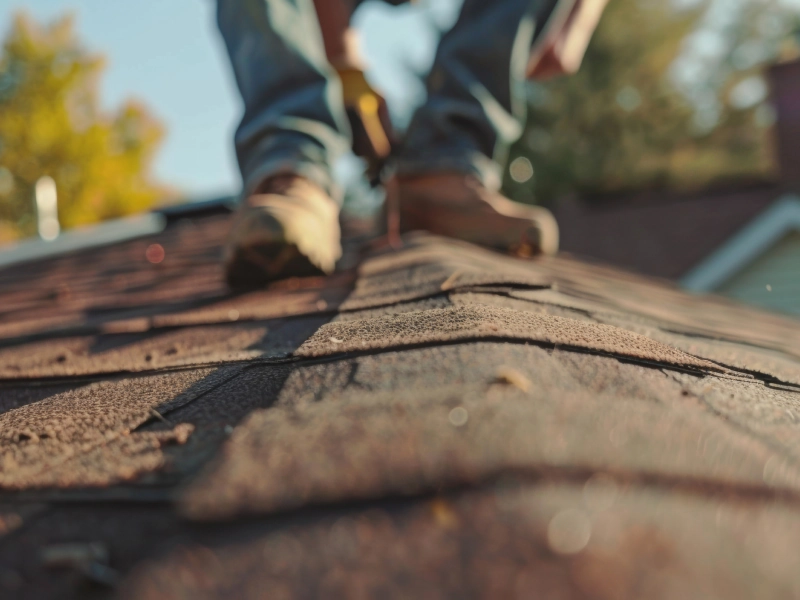
A detailed visual inspection represents the foundation of any effective weatherproofing strategy. Before severe storms arrive, homeowners should examine every accessible surface of their roof from ground level using binoculars, then from a ladder at the roofline if safely possible. Begin by scanning for missing, cracked, or curling shingles, particularly along ridges, valleys, and edges where wind uplift forces concentrate during storms. Pay close attention to the condition of flashing around chimneys, skylights, vent pipes, and roof-to-wall transitions, as these junctions are primary entry points for water during heavy rain events.
Document any areas where granules have worn away from asphalt shingles, leaving dark patches that indicate accelerated aging and reduced weather resistance. In Stevensville and the surrounding Chesapeake Bay region, the combination of intense summer sun and high humidity can degrade roofing materials faster than in drier climates, making annual inspections particularly important. Check for sagging areas that might indicate structural weakness or trapped moisture within the roof deck. Examine all gutter systems for proper attachment, checking that brackets remain secure and that downspouts direct water at least six feet away from the foundation.
Safety must remain the priority throughout this process. Never attempt to walk on a wet, icy, or steeply pitched roof without proper equipment and training. If your home has a complex roofline, multiple levels, or if you notice significant damage, scheduling a professional evaluation with qualified roofing contractors ensures both safety and thoroughness. Professional inspections often reveal hidden issues that homeowners miss, including subtle signs of water intrusion, inadequate ventilation, or fastener failure that could lead to catastrophic damage during the next major storm. Creating a photo record of your roof’s condition before storm season establishes a valuable baseline for insurance claims and future maintenance planning.
Reinforce Vulnerable Points and Secure Loose Components
Once you have identified potential weak points, the next critical step involves reinforcing these vulnerable areas before weather conditions deteriorate. Maryland’s position along the Atlantic seaboard exposes homes to nor’easters, tropical systems, and occasional hurricane remnants that generate sustained winds and driving rain capable of exploiting even minor roof defects. Start by securing any loose shingles with roofing cement or appropriate fasteners, ensuring that edges lie flat and overlap correctly to prevent wind from lifting them during storms. Replace any damaged or missing shingles immediately, as a single compromised shingle can allow water infiltration that spreads to surrounding areas.
Flashing repairs deserve particular attention, as these metal or composite barriers channel water away from critical junctions. Apply high-quality roofing sealant to any gaps or separations around flashing, ensuring complete adhesion between the flashing and adjacent surfaces. Check that step flashing along walls remains properly interwoven with shingles and that counter-flashing fits snugly into masonry joints. Valley flashing, which handles concentrated water flow, should be free of debris and corrosion. Many Maryland homes experience ice dam formation during winter freezes, where melting snow refreezes at roof edges and forces water under shingles. Installing heat cables or ensuring adequate attic insulation and ventilation prevents these damaging cycles.
Gutter systems require equal attention, as clogged or damaged gutters force water to back up under shingles or overflow onto walls and foundations. Remove all leaves, pine needles, and debris from gutters and downspouts, then flush the system with water to confirm proper drainage. Secure any loose gutter sections and replace damaged hangers. In areas with heavy tree coverage common throughout Queen Anne’s County and Anne Arundel County, installing gutter covers reduces maintenance frequency while ensuring consistent water management during storms. Consider reinforcing gutter attachment points with additional brackets to handle the weight of ice accumulation during winter weather events that occasionally affect the region.
Clear Surrounding Vegetation and Remove Potential Hazards
Tree management around your home directly impacts roof survival during severe weather. Branches that hang over or near your roof pose multiple threats: they drop leaves and organic debris that trap moisture and accelerate shingle deterioration, they provide pathways for rodents and pests to access your roof structure, and most critically, they can break during high winds and fall directly onto your home. Stevensville’s mature tree canopy provides beautiful shade during humid summer months, but it also creates ongoing maintenance requirements that homeowners cannot ignore. Trim all branches back at least six feet from roof surfaces and remove any dead or weakened limbs that could become projectiles during storms.
Focus especially on large branches that overhang the roof, as these present the greatest risk during wind events. Spring and fall storms in the Chesapeake Bay area frequently generate wind gusts exceeding fifty miles per hour, sufficient to snap branches weakened by age, disease, or previous storm damage. Hire certified arborists for work on large trees or branches near power lines, as improper cutting techniques can cause limbs to fall unpredictably. Remove any trees showing signs of significant decay, hollow trunks, or root instability, as these can topple entirely during severe weather and cause catastrophic structural damage.
Beyond trees, survey your property for any loose objects that could become airborne during high winds. Secure or store patio furniture, grills, planters, and decorative items. Check that fencing remains sturdy and that gates latch properly. Walk the perimeter of your home and remove any accumulated debris, fallen branches, or deteriorating materials. This proactive approach reduces the likelihood of secondary damage to your roof and siding during storms. Many homeowners coordinating larger property improvements find that scheduling this exterior maintenance alongside other home renovation services creates efficiency and ensures that all building envelope components receive appropriate attention before weather deteriorates. Regular seasonal clearing, particularly before spring storm season and again before winter, establishes a protective routine that extends the service life of your entire roofing system.
Evaluate Attic Conditions and Interior Warning Signs
While exterior roof conditions receive most attention during storm preparation, the attic environment plays an equally vital role in weatherproofing performance. Proper attic ventilation and insulation work together to regulate temperature and moisture levels that directly affect roof longevity and storm resistance. Begin your attic assessment by checking for adequate ventilation through soffit vents, ridge vents, or gable vents. Insufficient airflow allows heat and humidity to accumulate, which accelerates shingle aging from below and can lead to condensation problems that weaken roof decking. Maryland’s humid summers create ideal conditions for moisture buildup if ventilation proves inadequate.
Inspect insulation levels throughout the attic space, ensuring even coverage without gaps or compression. Current building standards recommend insulation values between R-38 and R-49 for attics in this climate zone, which typically translates to ten to fourteen inches of fiberglass batt insulation or blown-in cellulose. Adequate insulation prevents heat transfer that contributes to ice dam formation during winter freezes and reduces cooling costs during summer heat waves. Check that insulation does not block soffit vents, as this disrupts the critical airflow pathway that ventilation systems require to function properly.
Look carefully for interior warning signs of existing roof leaks or moisture intrusion. Water stains on rafters, roof decking, or insulation indicate active or previous leaks that require immediate attention before the next storm. Dark staining or discoloration suggests mold growth resulting from chronic moisture problems. Check for daylight visible through the roof deck, which indicates gaps or holes that allow both water and pest entry. Examine the underside of the roof deck for sagging, soft spots, or areas where fasteners have pulled through, all of which indicate structural deterioration that compromises storm resistance. Document these findings with photographs and measurements, as this information proves valuable when consulting with professionals about necessary repairs. Addressing attic deficiencies often requires coordinated work between roofing repairs and interior improvements, making it a natural consideration during broader basement remodeling or whole-home renovation projects that already involve opening walls and ceilings.
Establish a Professional Maintenance and Inspection Schedule
While diligent homeowner maintenance provides essential first-line protection, professional roof inspections deliver the technical assessment necessary for long-term storm readiness. Qualified professionals bring specialized knowledge, safety equipment, and diagnostic tools that reveal problems invisible to untrained observers. Establishing a relationship with a reliable local contractor creates continuity in your roof’s maintenance history and ensures rapid response when storm damage occurs. Schedule professional inspections at least annually, ideally during spring before severe weather season intensifies, and again after any significant storm event that brings high winds, hail, or heavy precipitation.
Professional inspections typically include detailed examination of all roofing components: shingles or other covering materials, underlayment condition (where visible), flashing integrity, fastener security, ventilation adequacy, gutter function, and structural soundness. Contractors use moisture meters to detect hidden water intrusion, infrared cameras to identify insulation gaps or thermal bridging, and drone technology for safe inspection of difficult-access areas. They assess remaining service life based on material condition and manufacturer specifications, helping you plan for eventual replacement before emergency situations force rushed decisions. Documentation from these inspections provides critical evidence for insurance claims if storm damage occurs and establishes proper maintenance history that can affect coverage decisions.
Beyond inspection, professional contractors provide preventive maintenance services that exceed typical homeowner capabilities: applying protective coatings, re-securing large sections of shingles, replacing deteriorated flashing systems, and addressing structural issues that require carpentry skills and building code knowledge. They stay current with material advancements and installation techniques that improve storm resistance, such as high-wind shingle installations, enhanced ice and water barriers, and impact-resistant materials appropriate for areas prone to severe weather. When inspection reveals significant wear or damage, obtaining detailed estimates for repair or replacement allows you to budget appropriately and schedule work during favorable weather rather than during emergency conditions when availability is limited and costs escalate.
For homeowners in Stevensville and throughout the Chesapeake Bay region, selecting a contractor familiar with local weather patterns and building practices ensures solutions tailored to regional conditions. Whether you need routine maintenance, storm damage repair, or complete roof replacement, connecting with qualified roofing contractors establishes the professional partnership necessary to keep your home protected through all seasons. Taking action now, before the next severe weather system develops, provides the time needed for thorough work and the confidence that your home can withstand whatever conditions arise.
